
Embedded Systems for Smart Vehicles
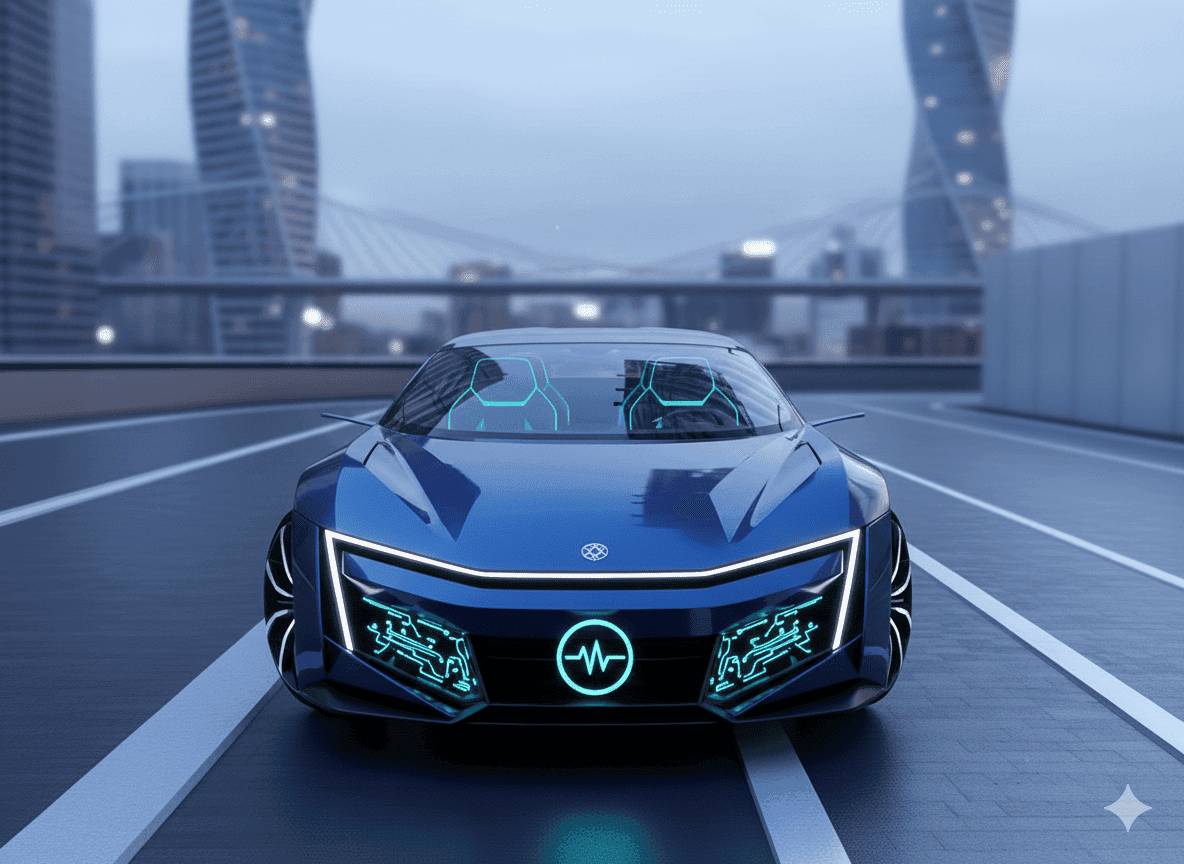
Embedded systems play a vital role in the safety, performance, and connectivity of modern vehicles. At the heart of the smart car, they improve driving assistance, energy optimization, and user experience.
Automotive Embedded Systems
Intelligence at the service of mobility
Embedded systems encompass all electronic and software components integrated into vehicles. They ensure real-time data processing, communication between sensors, and automatic decision-making.
Objective: Strengthen safety, optimize performance, and support the evolution towards smart vehicles.
Safety and Driving Assistance
Embedded systems play a central role in:
• driving assistance (ADAS),
• vehicle behavior monitoring,
• real-time analysis to prevent accidents,
• braking assistance, parking, or lane keeping.
Performance Optimization
Thanks to embedded computing, vehicles can:
• manage energy or fuel consumption,
• adjust chassis dynamics,
• improve driving comfort,
• continuously monitor engine and transmission performance.
Connectivity and User Experience
Embedded connectivity facilitates:
• smart navigation,
• remote diagnostics,
• communication between the vehicle and mobile applications,
• access to connected services via the cloud.
Integration with Advanced Technologies
Automotive embedded systems interact with:
• electric and hybrid vehicles,
• IoT sensors and telematics solutions,
• V2V (vehicle-to-vehicle) and V2I (vehicle-to-infrastructure) communications.